Manifesto
Intro
Assemblies
Economy
Nature
Culture
Representative democracy is in crisis, increasingly unable to reflect people’s interests and aspirations or make any significant difference to our lives. There is a clear movement towards authoritarian rule in many countries, including the UK. A positive way forward is the building of a revolutionary democracy through the creation of Popular Assemblies.
Assemblies of this kind have a long history, extending way back to city states in Ancient Greece and later the Roman Republic. In the 5th century BCE, the Plebian Council or Assembly of the Plebs began functioning as a legislative and judicial centre of power through which the Plebians or commoners, could pass laws, elect their own tribunes and try legal cases. In 1917, Assemblies or Soviets, which first appeared in 1905, played a key role in the Russian Revolution.
Assemblies returned to prominence through the Occupy movement, itself inspired by the waves of pro-democracy protests and uprisings throughout the Arab world in 2010. Mainly young people rose up in great numbers against their authoritarian rulers and established camps, assemblies and forums in streets and squares from Tunisia to Bahrain. The Occupy movement spread rapidly within the US and then across the globe as people of all ages and backgrounds established camps in towns and cities demanding an end to the old order and experimenting with new ways of doing politics.
Inspiring examples of Assemblies arose famously in the Zapatista-controlled areas of Mexico. Originally an indigenous guerrilla movement, the Zapatists retreated back to their home villages in the mountains of Chiapas and began organising politically through assemblies.
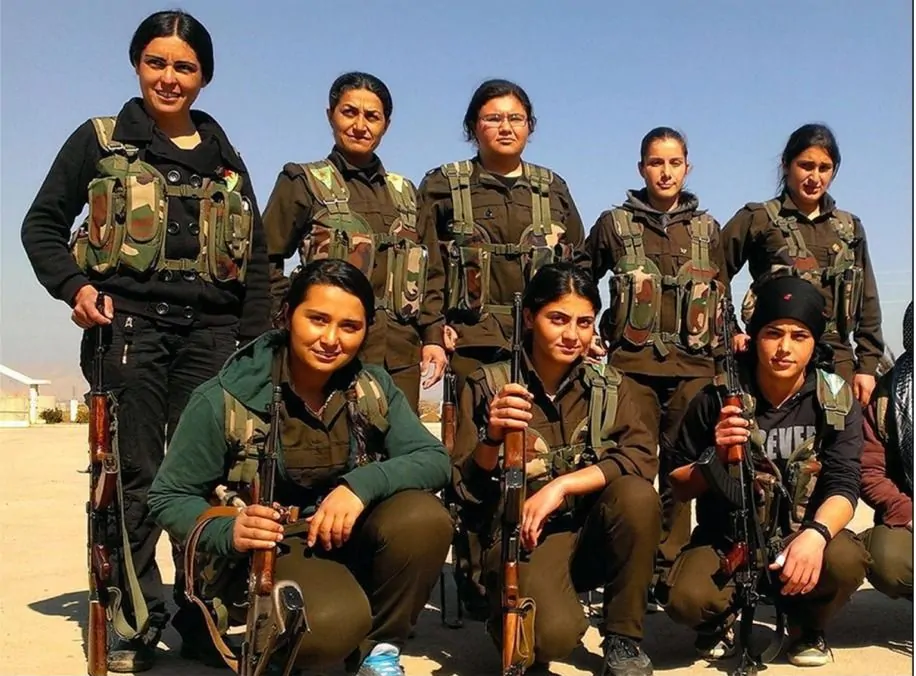
In Rojava north-east Syria, people with women in the lead have been organising in a highly-motivated way since the Kurdish revolution in 2011.Their society now operates under the pillars of ecology, feminism and true democracy. Sizable multi-ethnic autonomous zones have been created and armed militias with both male and female combatants, have successfully defended their territories. Its standard of living is the highest in the whole of Syria.
In the UK, a number of Citizens Assemblies were set up as essentially advisory bodies to central and local government, created and financed by the state to deliberate on specific issues. The Constitution Unit, University College London, sponsored a Citizens Assembly to draw up a report on the future of UK democracy following Brexit. Extinction Rebellion wants the government to give assemblies power to determine climate change policy.
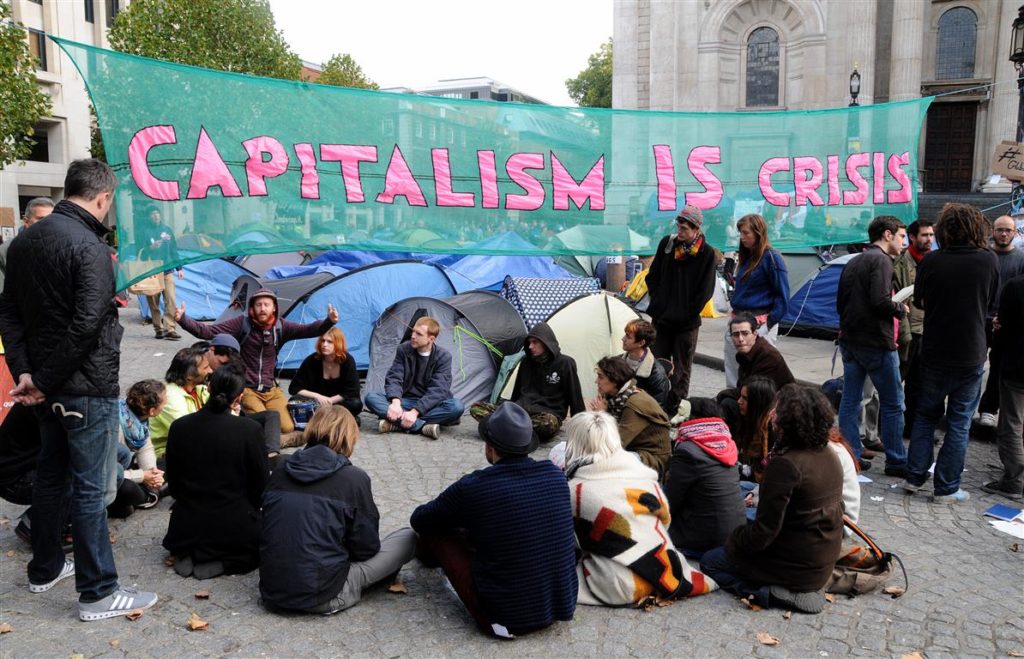
Our manifesto advocates going a step further, to create Popular Assemblies with aspirations to holding and exercising real power. Local campaigns, food banks, trade unions and democracy activists can take the initiative in creating an Assembly. They should be fiercely independent of political parties and public institutions like local councils. That’s not to say they shouldn’t have members from these bodies or take a position on issues,, but these should be arrived at by debate and deliberation.
An Assembly’s aims and objectives could, for example, include tackling local issues, building networks of solidarity and working alongside other Assemblies for a transformation of democracy locally and throughout the UK. Once established, Assemblies should develop constitutional structures to make them representative of their diverse communities and be transparent in their decision making.
An advanced democracy
A network of Popular Assemblies can begin to put forward plans for greater democracy in society, showing how communities at neighbourhood, city, regional and, above all, workplace levels could provide an alternative to the existing political system. As part of their project, they could sponsor constitutional conventions in each country of the UK. These would be charged with creating the legal framework for an advanced democracy and a new type of economy based on co-operation and not profit.
Assemblies could collaborate to develop democratic education to support the decision-making process and get young people involved. They could find ways of using the internet so that everyone could participate in decision making, even if they were unable to attend Assemblies in person. A way of tracking and reviewing decisions could be brought in. Assemblies would respond to crises and attacks on rights or living standards from the old regime. They can set up sub-groups and get experts in to advise them.
As assemblies grow into a network of counter-institutions that we can organise ourselves under, this will weaken state institutions. But we should have no doubt that state authorities will take every effort to prevent any movement that threatens their power and control. Once sufficiently representative, the Assemblies can defend themselves against such attacks. History has shown, however, that two rival power centres cannot co-exist for long. So, Assemblies would have to consider how to transfer power to themselves and assume governmental functions.
The Assembly model has taken many forms but by studying their achievements and avoiding the self-indulgence and mere reformism of some and lack of organisational forms of others, it can become a powerful method of revolutionary and transformative change.
The Westminster Parliament, long ago reduced to a tourist attraction with no powers, could come alive again as the venue for Popular Assembly representatives from England. Reshaped Scottish and Welsh Parliaments and the Northern Ireland Assembly would do the same.
Let’s start building a real democracy!
Priority Actions
- discuss and debate how to organise system change throughout the UK
- find a space to bring people, organisations and campaigns together
- open a discussion on the creation of a local Popular Assembly
- set up a steering group to launch the Assembly
- invite ideas for the agenda for the first meeting.
Next: Compost Capitalism