Sixty years ago, a coal tip in South Wales collapsed, slid down the side of a mountain above the village of Aberfan and slammed into Pantglas Junior School killing 116 chidren and 28 adults.
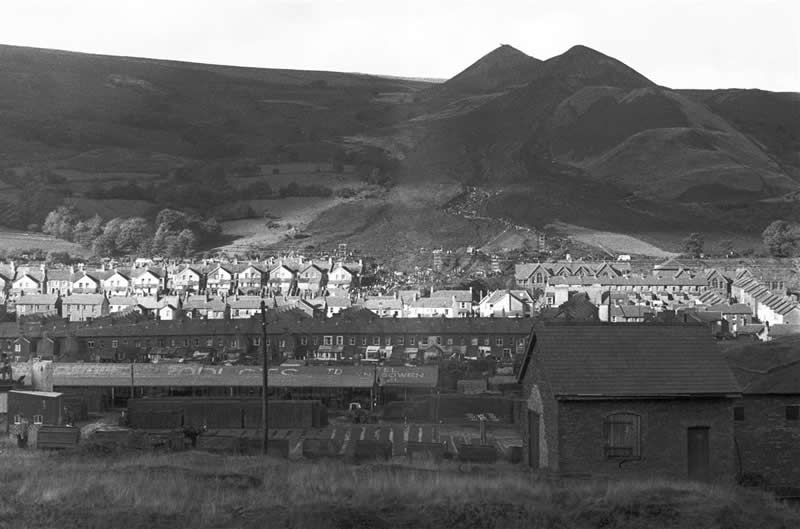
It was 9.13am on 21 October 1966. A thunderous crash followed by a terrible silence, many of the survivors recalled. An estimated 110,000 cubic metres of slurry slipped 700 yards down the mountainside and buried the school, just as morning lessons were starting. The half-term holiday was due to start at midday.
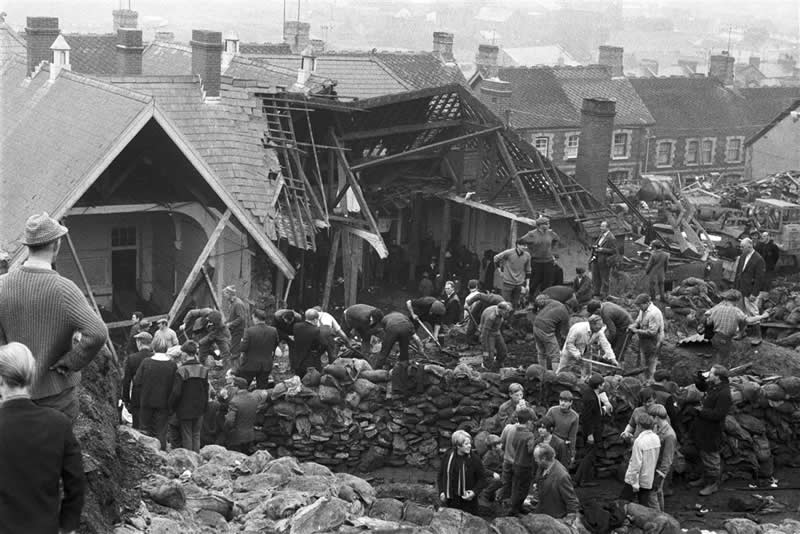
The spoil from the local pit had been dumped on ground where natural springs emerged from the mountain, in contravention of National Coal Board (NCB) rules and regulations. There were seven spoil tips on the slopes above Aberfan.
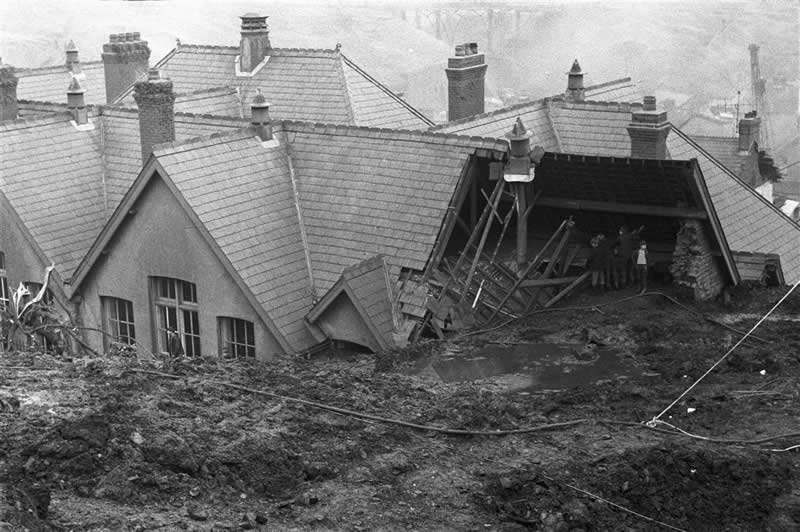
Tip no 7, the one that buried the school and a line of houses alongside, was 34 metres high. After three weeks of continuous rain, the tip was saturated, both from above and below and had turned into a semi-liquid slurry.
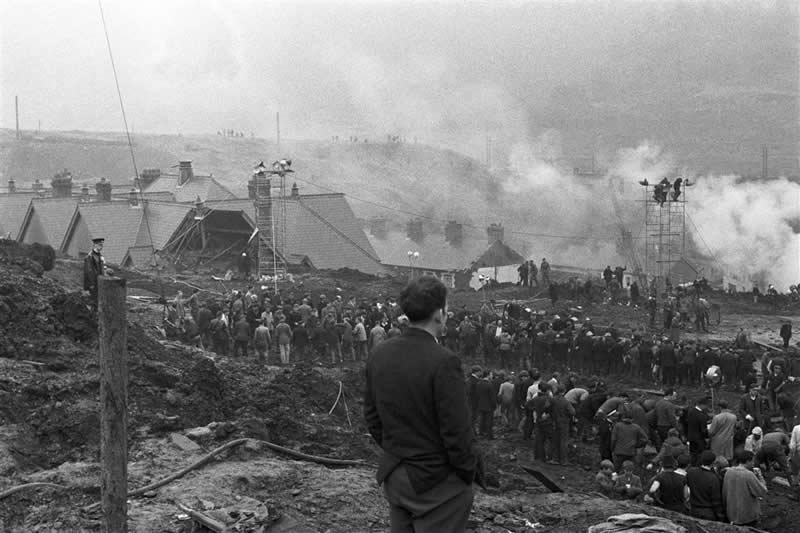
The official enquiry placed the blame squarely on the National Coal Board (NCB). The Board`s chairman, Lord Robens, was criticised at the tribunal set up afterwards for making misleading statements and for not providing clarity as to the NCB`s knowledge of the springs under the tip.
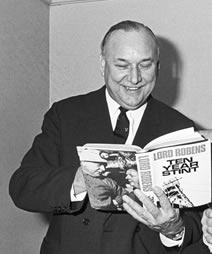
Rather than visit Aberfan on the day of the disaster, Robens attended a ceremony to invest himself as the chancellor of the University of Surrey; and later he had to be asked to attend the official enquiry. When he finally turned up, he gave evidence, under cross-examination, inconsistent with that provided by the NCB earlier, particularly as to whether the disaster was foreseeable. Counsel for the enquiry asked the tribunal to ignore Robens`s testimony.
It was the strong and unanimous view of the inquiry that the “Aberfan disaster could and should have been prevented”. The report included the statement that “much of the time of the Tribunal could have been saved if… the National Coal Board had not stubbornly resisted every attempt to lay the blame where it so clearly must rest – at their door.” Nobody was prosecuted as a result of the inquiry, and the NCB was not even fined.
The NCB initially offered the bereaved families £50, later increased to £500. A memorial fund was set up on the day of the disaster. As if to highlight the meanness of the NCB, it received nearly 88,000 contributions from all over the world totalling £1.75 million.
The remaining spoil tips above Aberfan were removed only after a long fight by the village residents against the NCB and the government who resisted on grounds of cost. The clearance of the tips was eventually funded by the government, but only with the help of a forced contribution of £150,000 taken from the memorial fund.
Thirty years later the government paid back the £150,000, and ten years after that the Welsh government donated £1.5m to the fund and £500,000 to the Aberfan Education Charity, as recompense for the money wrongly taken from the memorial fund
Many of the village`s residents developed medical problems following the disaster. A study published by the British Journal of Psychiatry in 2003, found that half of the survivors had experienced post-traumatic stress disorder at some point in their lives and that 34% of the survivors who took part in the study had sleeping difficulties, nervousness, lack of friends, unwillingness to go to school and enuresis.
In the year following the tip slide, close relatives of the victims had a death rate seven times higher than the norm. One local doctor later wrote: “By every statistic, patients seen, prescriptions written, deaths, I can prove that is a village of excessive sickness.”
At one of the inquests, one man who had lost his wife and two sons, called out: “No, sir, buried alive by the National Coal Board”. The headline on the newspaper of the Socialist Labour League, published just after the disaster was “Murder by the NCB”.
Photos: News Line Archive, copyright of Report Digital.