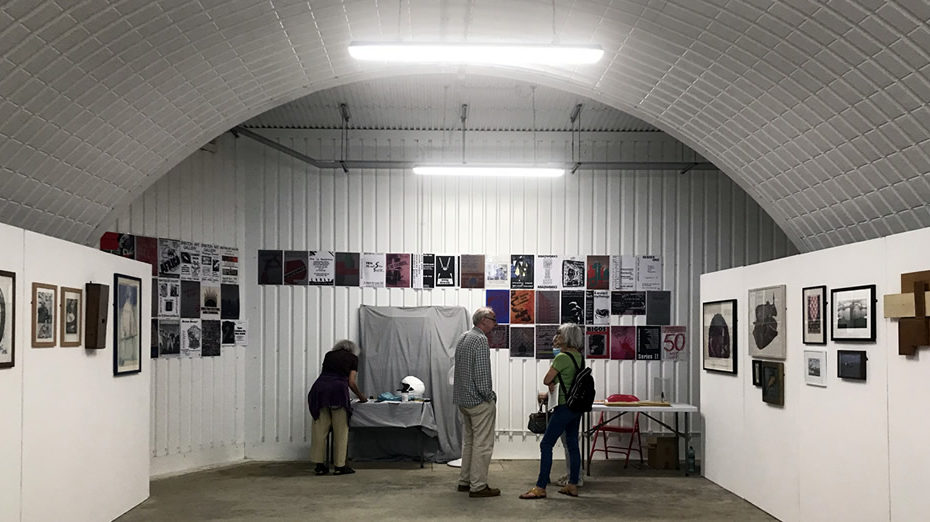
Only a step away from the noise and bustle of Brixton Road in south London, you come across a display that bears witness to a unique moment in UK art and politics. No.21 Atlantic Road is one of the two original spaces housing the Brixton Art Gallery and the collective that ran it.
Napoleon is quoted as saying “an army marches on its stomach”. This could be rephrased to say – artists must have space. The story of the Brixton Artists Collective is proof of this – and how political change met their needs during a moment of hope.
While today the internet and digital media offer virtual space in a new and possibly more democratic way, the struggle of artists during the 1980s provides lessons and inspiration. And, in the end, acquiring space has a profoundly political dimension: the Brixton project helped transform the cultural history of the UK.
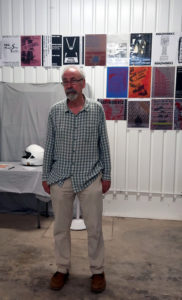
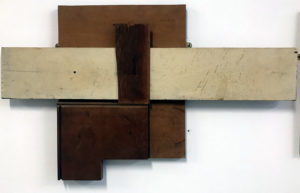
Outstanding paintings, collages, photographs and prints by artists who took part in the organisation between 1983 and 1986 are on show until July 1. Writer, blogger, archivist and one-time treasurer of the Brixton Artists Collective, Andrew Hurman has created a striking book and display to celebrate the 40th anniversary of the gallery and the people that ran it. The 26 artworks under the arch are all drawn from his personal collection. Together they highlight many new and important aspects of a many-facetted story of talent, initiative and an epic struggle for recognition by many hitherto excluded artists
Hurman writes through the lens of his own battle as an aspiring artist to get his work displayed in an art gallery, a desire shared by countless other practitioners who like him need to reach out to an audience, seek recognition and sell their work. His long-term efforts to open a permanent gallery in Brixton came together with those of another local artist Kevin O’Connor during the run-up to the Brixton Festival held in June-July 1983. There were many challenges, difficulties and rewards in this entirely voluntary and self-organised initiative, where “all decisions related to running the gallery, including selecting the exhibitions, were made at open meetings where anyone could attend. The result was an extraordinarily diverse programme”.
The turning point was the political transformation of the Greater London Council with the election of Ken Livingstone in 1981 as leader and the support of Lambeth Council, then headed by Ted Knight.
The GLC’s cultural policy was to encourage and financially support democratic grass roots initiatives, especially those of Black, Asian and ethnic minority groups, and women and gay/lesbian activists. Lambeth led the fight against spending cuts and mobilised the local community in defence of public services.
Hurman recounts how Tony Banks, chair of the GLC’s Arts and Recreation Committee, and local Labour MP John Fraser were sympathetic and supportive of the efforts of the newly formed collective, with its aim of making the arches in Atlantic Road a permanent space. Lambeth Arts Council then agreed to cover the rent, as well as asking the collective to formalise itself as an organisation.
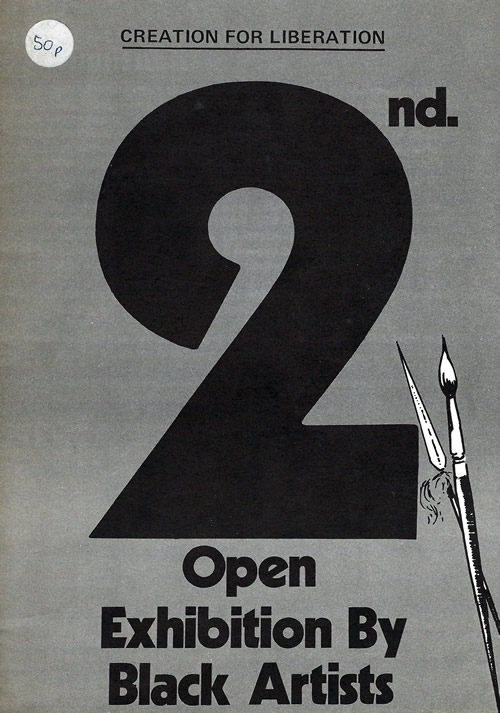
Between 1983 and 1986 some 50 exhibitions were held, showing work by over 1,000 individual artists, with weekday attendance figures averaging 100 visitors. Hurman’s exhibition book and web archive are a cultural history and a tribute to the talent and determination of all those who took part. Many of those involved have gone on to become established figures in the UK and international art scene, not least Turner Prize nominees Zarina Bhimji and Cathy de Monchaux and the noted Palestinian artist Mona Hatoum.
With Thatcher’s abolition of the GLC in December 1986, its crucial financial support disappeared at a stroke. In the accounts for the year 1985/6 the GLC’s grant to the gallery was £20,000 and Lambeth Council’s £4,000, making up most of the budget. But in 1985-6 Ted Knight and his team of 32 Labour councillors were disqualified from office. At this point, Hurman decided to stand down from the board of directors. The Gallery continued but when the building was flooded early in 1988 it was forced to close.
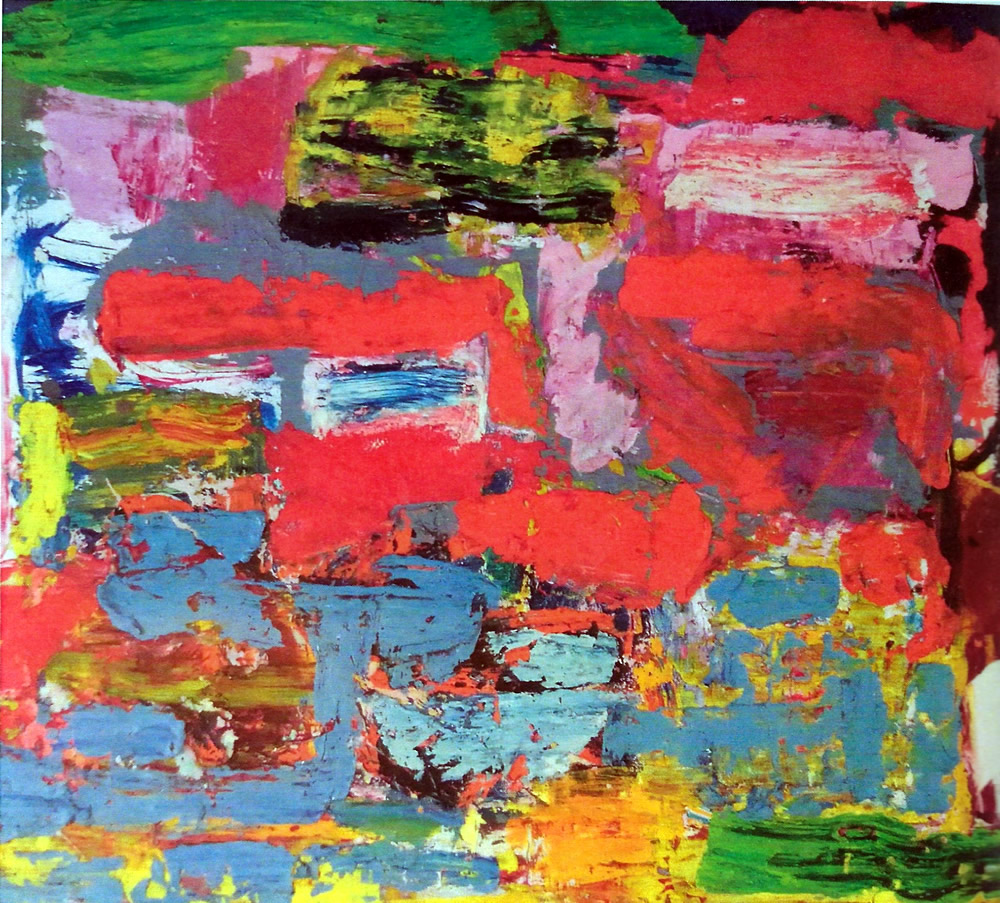
Today the inspiration of the Brixton Artists Collective continues in several forms with many of the original artists involved. Oral histories, video testimonies and scholarly research show that the collective model is not just a lost Utopian enterprise but continues to have a powerful resonance. Not least is a cross-generational collaboration called Brixton Calling! (2011). One of the most eloquent voices in their film is that of South African artist and musician Eugene Skeefe, who explains how the organisation gave everyone a sense of being rooted and how they felt the power of the collective.
Brixton Art Gallery redux was at 21 Atlantic Road, Brixton SW9 8HX 22 June -1 July 2023.
Brixton Art Gallery 1983-86, An Illustrated History is on sale at £30.
For inquiries: andrewhurman@btinternet.com
Resources:
The BrixtonCalling project, Revisiting the Brixton Art Gallery on Vimeo.