Rachel Reeves is Keir Starmer’s Shadow Chancellor, which means she’s responsible for Labour’s policy on the economy. And she’s sticking to the first of Labour’s 5 missions which puts growth before all as the source of the income needed to do all the other good things on offer. Like reducing debt, making everyone better off, restoring the NHS and other public services.
It’s not just any growth for Labour. They aspire to the fastest growth of all the rich countries that make up the G7. Which is quite an aim, given that the UK currently languishes near the bottom, second only to Germany which was in recession – actually shrinking – at the last count. The job won’t be made any easier with ongoing worldwide high interest rates, imposed in the attempt to reduce inflation, tending to push the whole of the global economy towards recession and most of us deeper into poverty.
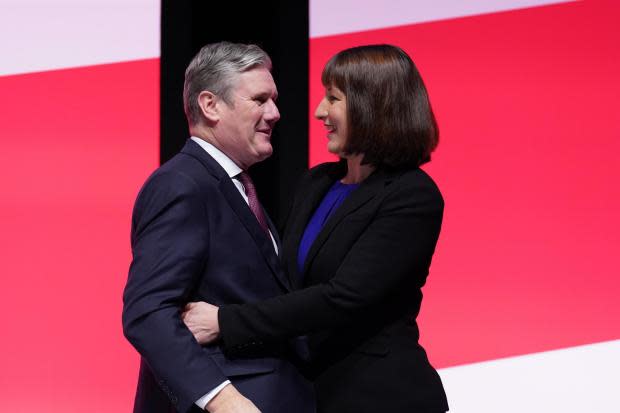
So she’s rejecting pressure for a short-term wealth tax in favour of the longer-term push to grow the economy. Anyway, she knows that the rich are perfectly capable of evading taxes by hiding their wealth in offshore tax havens. But maybe she’ll listen to tax expert Richard Murphy who has a list of 30 tweaks to the tax system up his sleeve which could he says raise £50bn a year? Don’t count on it.
In the context of the unfolding cataclysmic breakdown of the conditions for civilization and human life on the planet, none of this amounts to any more than a polite debate over a cup of afternoon tea.
According to the United Nations’ first global stocktake, “the systemic transformation of every aspect of society … is required … to start kicking in … to halt the relentless rise of emissions seen since the Industrial Revolution within just two years”.
They say it is “essential to unlock and redeploy trillions of dollars to meet global investment needs”. In other words, it requires re-engineering the global financial system. Stopping the fossil fuel investments and vast subsidies that are throwing fuel on the climate fire is critical’.
So Murphy’s £50 billion is hardly even window dressing in relation to what’s needed.
When people, especially prospective chancellors, talk about ‘growing the economy’, or about growth being needed to raise the money needed by government, they always mean, first and foremost creating the conditions needed to increase the profitability of the private sector.
In today’s world, global corporations set the agenda, spending billions lobbying for their interests. Like steelmaker Tata, threatening to close down local production, eliminate jobs and move elsewhere unless their requirements for subsidy are met. £500m be OK? Thanks very much.
It’s not just external pressure. Corporate lobbyists like Alice Perry operate at the heart of Starmer’s Labour. She’s chair of its National Executive Committee, as well as being an Associate Director with H/Advisors Cicero, “providing political counsel and advice on strategic communications and engagement”. Her clients have included Barclays, BlackRock, Fidelity International, City of London Corporation, AIMA, the British Chamber of Commerce, Moneybox and Saab’.
You couldn’t make it up. Perry’s role is just a small part of the corporate takeover of parliamentary democracy that’s been developing since the 1970’s.
At its pinnacle in the UK sits unelected Prime Minister Sunak who worked for Goldman Sachs and for a string of hedge funds, whilst his wife Akshata Murty holds hundreds of millions worth of shares in her father’s IT services company Infosys.
If we’re to have any chance of achieving the UN’s “systemic transformation of every aspect of society” we’ll need to replace this corrupted system with a new kind of democracy founded upon popular assemblies.