
As millions flocked to see the film Oppenheimer, a somewhat smaller number arrived at the Glasgow Film Theatre (and other independents) to see a film that includes a very different creative response to the “father of the atomic bomb”.
Coda is a sensitive, elegiac documentary about the Japanese composer Ryuichi Sakamoto, re-released to mark his death earlier this year. The film includes a totally gripping performance of “Oppenheimer’s Aria”, from Sakamoto’s video/opera Life (1999).
The film reminds us of the terrible irony that the country that was the test site for the first nuclear weapon, is also the country that most enthusiastically embraced nuclear power. Sakamoto, a reluctant but committed activist, is shown speaking at a massive rally in Tokyo against the government’s plans to restart the country’s nuclear power stations.
More than 30 were shut down after the terrible disaster at the Fukushima plant, destroyed by the tsunami and earthquake in 2011. Now the Japanese state has used the rise in the price of oil and gas, and their fake commitment to net zero, to justify reopening seven power stations. More are to follow, including construction of a new generation of nuclear power stations. Sakamoto was one of millions of Japanese who protested – and are still protesting – this dangerous decision.
Most people will know Sakamoto for his film scores, amongst them Merry Christmas Mr. Lawrence, The Last Emperor and The Revenant, which he is working on at the beginning of the film, battling through as he recovers from the first phase of treatment for cancer which, sadly, returned and carried him away.
Sakamoto was was first recruited to Merry Christmas Mr. Lawrence as an actor by Writer/Director Nagisa Ōshima. He gave an unforgettable performance alongside David Bowie in the title role. Who could forget the scene where Captain Lawrence (David Bowie), steps forward and takes Captain Yonoi’s (Sakamoto) face in his hands and kisses him on both cheeks, whereupon the commander faints.
Of course, the brutal treatment of prisoners of war by the Japanese army was one of the many excuses given for the dropping of the atom bomb. What Merry Christmas Mr Lawrence did was offer a strange but compelling insight into the impact on a whole generation of Japanese men of the ideology that fuelled Japanese imperialism and militarism, somewhat as All Quiet on the Western Front did for German militarism.
In Coda Sakamoto visits an area that was engulfed by the tsunami, because someone has told him about a piano which was overwhelmed by water but survived. Playing it is like playing “the corpse of a piano,” he says and adds a profound statement which could be applied to all of our human/technology/nature relationships.
Since the industrial revolution, he explains, modern pianos have been made possible by “the imposition of civilization on nature”. Machinery forces wood and metal into the desired shape. “We humans say the piano falls out of tune, but that’s not exactly accurate,” he says. What is really happening is that “matter is struggling to return to its natural state”.
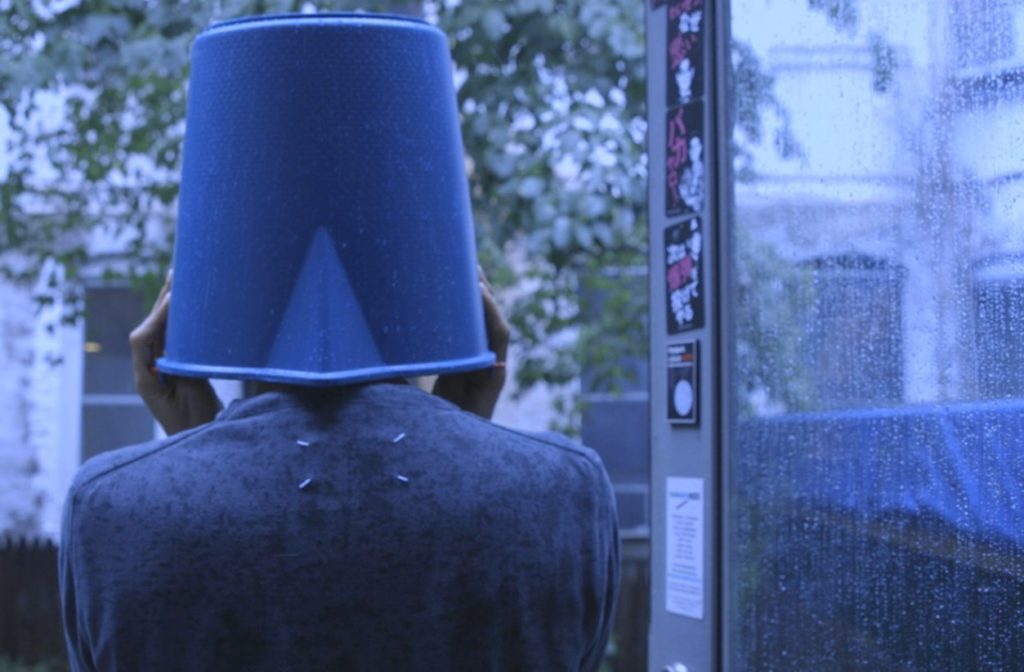
Sakamoto gathers up the sound of the tragic piano for use in some future composition; the gathering of sounds is one of the key themes of the film, with the composer shown intently listening in a woodland and then, hilariously, standing on his balcony with a bucket over his head and a microphone to get a good rain storm effect.
As a passionate student of music of all kinds and all cultures, Sakamoto was a fantastic innovator, bringing forms, styles and instruments together. From his invention of “techno-pop” in the 1970s (along with his band The Yellow Magic Orchestra) to cool jazz-influenced albums and more classical compositions that build from the foundations of his beloved Bach and Debussy. In his frail post-treatment state he is seen taking great comfort from Bach and his hesitant performance of the Prelude in C from “The Well-Tempered Clavier” is a deeply moving moment.
But first and foremost Sakamoto was an early and brilliant adopter and developer of digital music, enhancing its potential and showing how it could transform our sound world. He has strong views about those who underestimate what can be achieved with digital technology:
“I have been thinking about what music is for half a century,” he says. “Nobody has the answer or perhaps we each have our own answer. Beethoven used new technology – the pianoforte was new technology and he was so excited he wrote 32 sonatas for it. If he was alive now he would compose a big symphony with Virtual Reality,” he concludes.
The YMO song Riot in Lagos (1980) is recognised as one of the foundations, maybe the foundation, of modern electronic music and of hip hop. Little wonder that Sakamoto remains a hero to the new generation of rappers and electronic musicians – actually, the electronic is a bit superfluous – you can just say “musicians”. One of his last collaborations was with AgustD (solo persona of rapper Suga from K-pop giants BTS ). You can hear the resulting track here. It brought this musical genius to the attention of another new generation.
Sakamoto died in March this year, and knowing he was on his way out and entirely in character he put together the playlist for his own funeral – you can listen to it on Spotify.
Coda, 2017, directed by Stephen Nomura. Watch it online or find at an independent cinema near you.