We are locked down, and yet the wealth of offerings via digital platforms has blossomed to extraordinary proportions. It’s truly an embarrassment of riches. Artists,… Read More »The best of times and the worst of times
King Charles II, his red cape borne aloft by cherubs, sits enthroned on a mound of prancing steeds, muscular servants, tritons and nymphs. So what… Read More »Baroque: art in a turbulent time
By Corinna Lotz Spirit of Contemplation, a large sculpture by Albert Toft, confronts you right at the beginning of The Enchanted Interior. Toft’s slip-sliding nude… Read More »Escaping the gilded cage
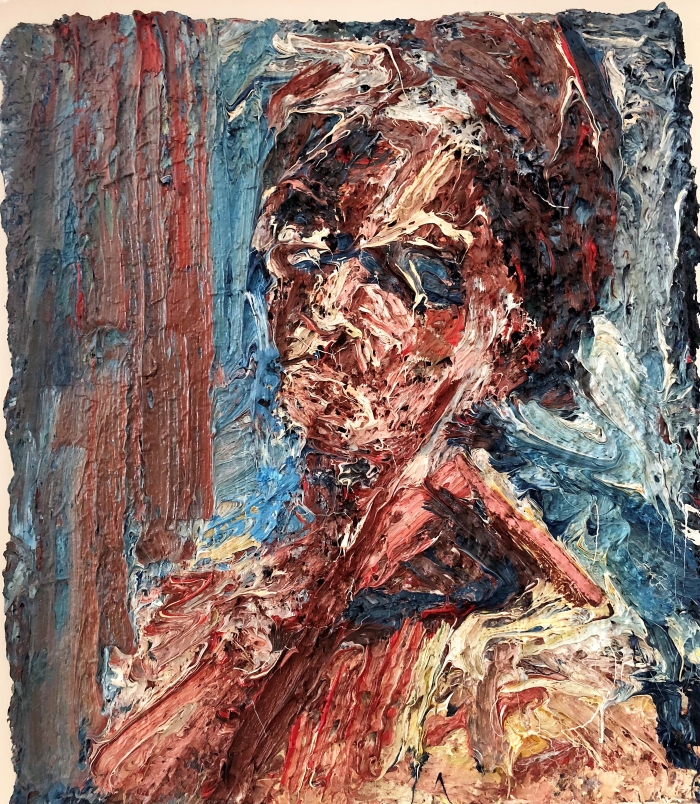
There is a tension, a longing, in this splendid first-ever retrospective of Peter Clossick’s work. Through prolonged observation and countless applications of the brush, pencil… Read More »Semblance and reflection
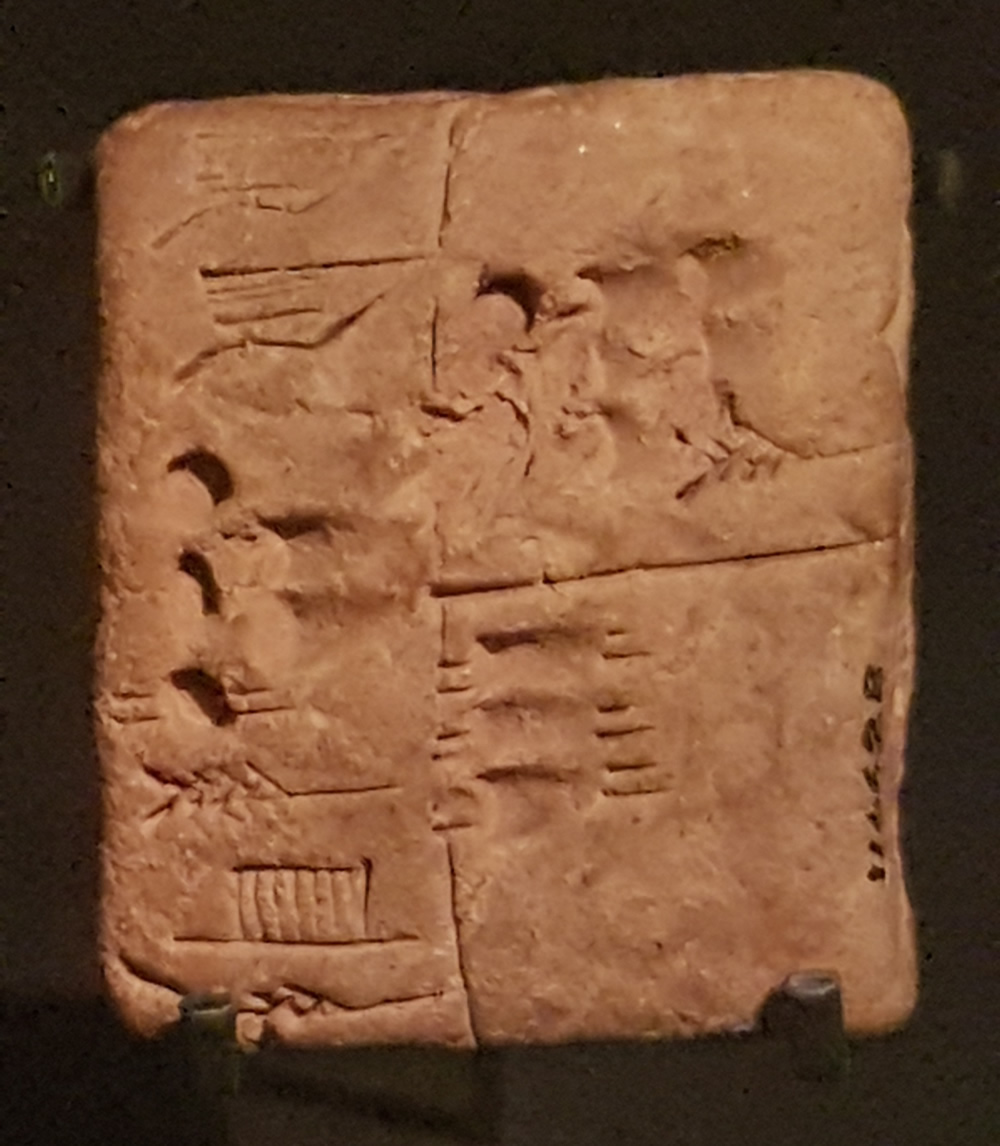
It’s been calculated that globally we will be exchanging over 293 billion emails each day by the end of 2019. And that’s not counting WhatsApp,… Read More »From stone tablets to emojis
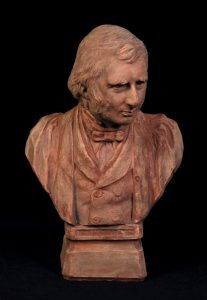
Events around the country are celebrating the bi-centenary of John Ruskin’s birth on 8 February – #Ruskin200. Thinker, campaigner, artist, scientist, educator and social critic John Ruskin was one of the most contradictory of all the famous Victorians.
He was both a man of his time and a man looking to the future – even while distraught about the world around him. He left a huge imprint on his country and globally. Countless colleges, parks, clubs and social institutions bear his name.
A thoughtful exhibition at London’s Two Temple Place offers an insight into the huge range of his interests and talents and how he remains our contemporary.