Inequality will persist without redistribution
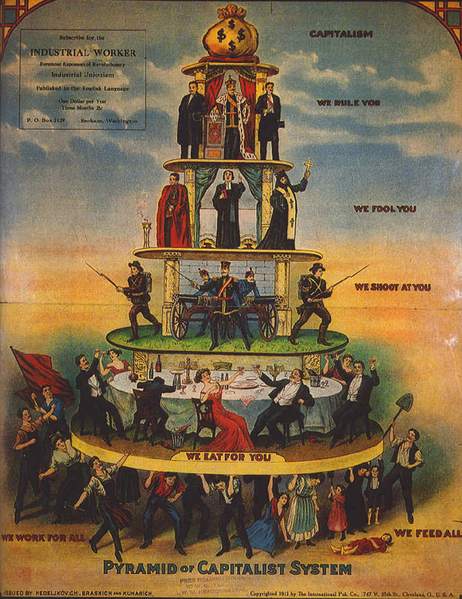
Luck determines the winners and losers of society, not merit or hard work. Those that start out with more get more, and those that start… Read More »Inequality will persist without redistribution
Luck determines the winners and losers of society, not merit or hard work. Those that start out with more get more, and those that start… Read More »Inequality will persist without redistribution

The Tories are playing for time, desperately trying to reorganise themselves after their harrowing election campaign. That’s a good reason why we should step up… Read More »Six reasons to demand a fresh general election right now

Photos by Peter Arkell and RDM supporters at the Tories out demo in London on July 1 A great atmosphere – everyone enjoying the prospect… Read More »Tories out demo in London

Another financial crisis is not likely in our “lifetime”, says US Federal Bank chair Janet Yellen. Pick me up off the floor someone! Yellen’s somewhat… Read More »Bankers in panic mode as new crash brewing

Since the 1970s, global agencies, mostly set up to restore the economy in the wake of the World War Two, together with corporate lobby groups… Read More »Getting beyond capitalism’s grip on the commons

How to shorten the life of the minority Tory government and force another election? That was the question before the Croydon Assembly, which was meeting… Read More »Croydon Assembly joins campaign to remove the Tories

Dulwich Picture Gallery’s display of John Singer Sargent’s watercolours – the first in the UK in nearly a century – provides a tantalising glimpse of… Read More »Sargent’s watercolours – before the storm

The aftermath of the fire at Grenfell Tower has shown that the state is no longer fit for purpose. It cannot help its citizens. It… Read More »The system crashed – reboot with real democracy

Demos throughout London the weekend after Grenfell Tower fire Photos: Peter Arkell #GrenfellTower – act against system failure Remake democracy to end Toryism
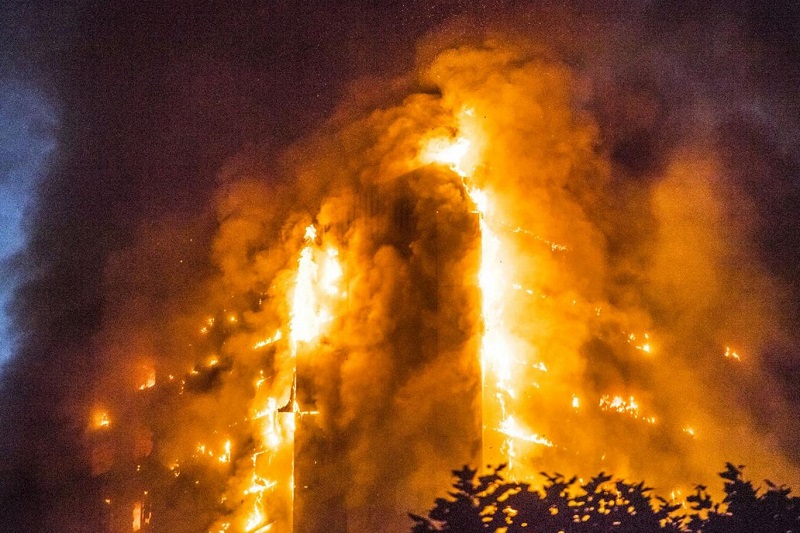
The anger mixed with compassion over the Grenfell Tower fire is threatening to turn into a conflagration of its own as the estimated number of… Read More »#GrenfellTower – act against system failure

The unpredictable political and constitutional crisis sweeping the UK is a sure sign that we have to remake our democracy from top to bottom. Building… Read More »Remake democracy to end Toryism

Review: The Resistible Rise of Arturo Ui by Bertolt Brecht, Citizens Theatre, Glasgow, Friday 9th June 2017 On the night of this performance in Glasgow,… Read More »Arturo Ui is everywhere – thanks to Trump

The text of Bertolt Brecht’s play Life of Galileo was started in November 1938 only a couple of months after Neville Chamberlain and Lord Halifax… Read More »Galileo for the Corbyn-voting generation

The popular social movement that swept Jeremy Corbyn to within touching distance of Downing Street should be sustained until the illegitimate, Tory-DUP government is removed… Read More »Brexit can wait. Democracy can’t. Demand new election now!

Tomorrow we face a crisis election The Tories want a massive majority to impose a Brexit fashioned to suit the corporations and the financial markets… Read More »Stop May’s plan for rule by decree by voting Corbyn
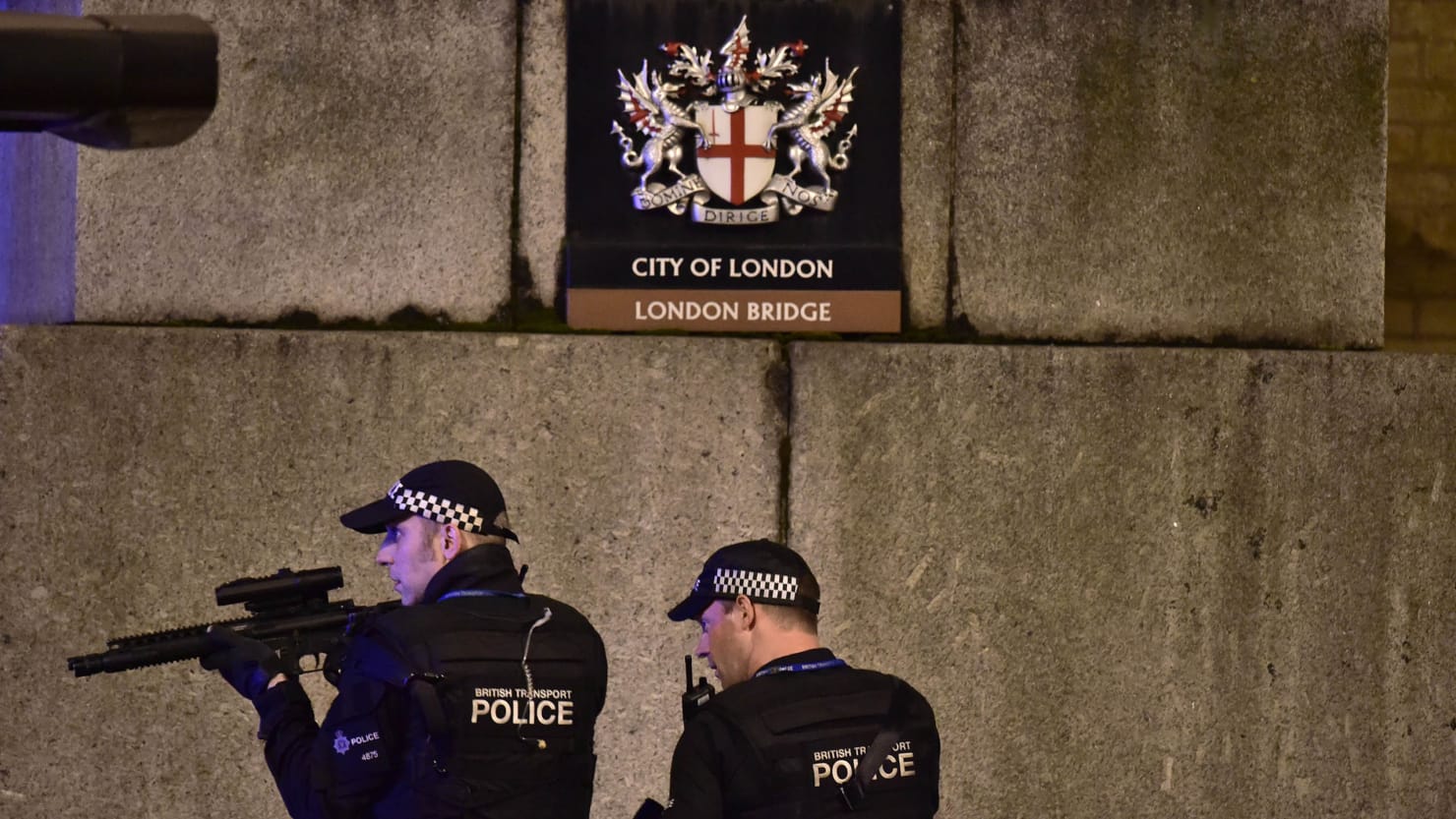
If they demonstrate one thing above all else, the horrific terror attacks in London and Manchester are proof that policies pursued by successive governments have failed. Now it’s time to give Jeremy Corbyn’s approach a chance.
Since 2000, there have been no fewer than 13 pieces of legislation related to the “war on terror”. Yet UK’s citizens are today far more likely to be victims of indiscriminate terror than they were before the state decided that a crackdown was the way to go.
The first major piece of legislation – New Labour’s anti-terror Act of 2001 – was discriminatory from the outset. David Blunkett, then home secretary, had to withdraw the UK from provisions of the European Convention of Human Rights to enforce his plans.
Detention without trial was introduced for the first time in mainland Britain since the entirely different circumstances of World War Two. But this applied only to foreign nationals – and for that reason was eventually ruled unlawful by the courts, who also held that it was incompatible with the Human Rights Act.
Tony Blair, meanwhile, devoted his time to co-organising the illegal invasion of Iraq on a pretext and trying to extend the time a terror suspect can be held without being brought before the courts. He and Blunkett suffered a major defeat in 2005 when the Commons rejected the plan for 90 days pre-charge detention.
There can be little doubt that the actions of the state since 2000 at home and abroad have increased the perception among the Muslim community that they are a general target. A half-baked “anti-extremism” strategy that stretches to primary schools where teachers are expected to detect would-be terrorists under the Prevent policy, is typically demeaning and adds to Islamophobia.
Corbyn’s approach is a repudiation of both Blairite and Tory warmongering in favour of a foreign policy based on a peaceful, negotiated approach and a block on arms sales to the Saudis and others who use UK weapons to suppress their own people.
On the other side are Tories and some in the PLP urging Corbyn to say he would press the nuclear trigger, which would signify that the world was already heading towards Armageddon. Very helpful advice!
Corbyn is absolutely right to point to the UK’s aggressive, militaristic, foreign policy – with the feudal monarchy of Saudi Arabia among its allies – which without thinking identifies Muslims in general as the problem, as a contributory cause.
Of course, there are other factors involved. These include the collapse of secularism in countries like Iraq, Libya and Syria and the subsequent turn to militant forms of Islam to settle ancient disputes with other Muslims.
Although harder to prove, there is an argument that the intensive, corporate-driven globalisation of the last 30 years, driven politically by the United States and UK governments, helped destabilise secular states in the Middle East and parts of Africa.
They relied heavily on state ownership and controls which global capitalism and its agencies conspired to end. When the Arab spring broke out in Tunisia and spread to Egypt and other countries, the hope of a new dawn was destroyed by intervention in Libya and the restoration of military rule in Egypt with the support of Washington.
Other countries like Syria became pawns as the major powers competed for influence in the region at the expense of the people. Over 9,000 US troops remain in Afghanistan. The Iraqi state is broken into areas of influence.
Corbyn will have to face the wrath of the entire military-industrial-security complex who are committed to a system where corporate and financial power rules in their own interests. These are the forces that subvert our democracy, day in, day out.
Tackling these forces with an agenda for extending democracy in new ways can inspire alienated generations in the UK and other countries because there is patently no security/police solution to terror attacks.
To defeat ISIS and other terror groups, you have to have a vision for peace, as Giles Fraser explained a couple of years ago.
Could this happen? Corbyn’s best chance could be heading up a minority government in a hung Parliament. But, be warned, there are plenty in the establishment and even within his own party, who will try their best to stop him if the Tories lose their majority.
So let’s get ready to launch popular assemblies and other gatherings to defend Corbyn after June 8.
Read More »After London Bridge terror, Corbyn offers a vision of peace